
The Allure of Risk: Understanding the Mindset
The psychology of risk in casino environments is an intriguing field that examines why individuals are drawn to gambling activities despite the inherent dangers of financial loss. This allure is often rooted in the thrill and excitement associated with high-stakes situations, where players often seek the best betting sites to enhance their experiences. Many people perceive risk as a challenge, equating it with excitement that can lead to potential rewards. This mindset fosters a sense of urgency and involvement, creating a compelling environment where the line between entertainment and obsession becomes blurred.
Moreover, the environment of a casino is meticulously designed to amplify these feelings. The use of bright lights, engaging sounds, and the presence of other engaged players contribute to an intoxicating atmosphere. Casinos leverage psychological triggers, such as near-misses and intermittent rewards, to keep players engaged. This creates a psychological phenomenon known as the “gambling illusion,” where players feel luck is on their side, despite the odds being skewed against them in the long run. The overall design of a casino promotes a sense of action and excitement that can be hard to resist.
This perception of risk and reward is further complicated by social elements in casinos. People often gamble in groups or alongside other players, which can create a sense of belonging and shared excitement. This communal aspect enhances the overall experience, making individuals more likely to take risks they might avoid in solitary environments. The strategic use of these psychological hooks ensures that the thrill of risk remains a core element of casino gaming, drawing players back time and again in search of that elusive big win.
The Role of Cognitive Bias in Gambling Behavior
Cognitive biases play a significant role in shaping how individuals perceive risk in casino settings. One common bias is the confirmation bias, where players seek information or experiences that confirm their existing beliefs about luck and winning. For instance, someone who has a winning streak may overestimate their ability to predict outcomes in future games, leading to increased risk-taking behavior. This bias can distort reality and result in irrational decision-making, heightening the thrill while also increasing potential losses. Such cognitive traps can turn an enjoyable pastime into a compulsive behavior.
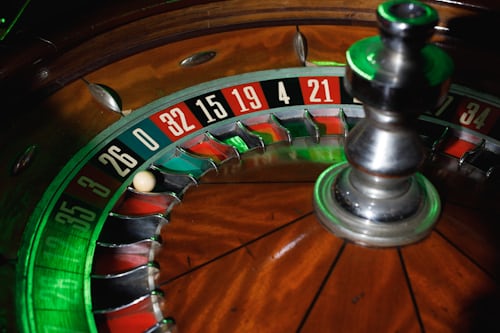
The gambler’s fallacy is another cognitive bias that influences behavior. This fallacy leads individuals to believe that past events can predict future outcomes in independent games of chance. For example, if a player observes a specific number coming up frequently on a roulette wheel, they might believe that it is “due” to come up again soon. This erroneous reasoning can lead to substantial financial losses, as the player may increase their stakes based on flawed logic. Understanding these biases is crucial for both players and casino operators aiming to create a responsible gambling environment.
Lastly, the concept of loss aversion, where individuals prefer to avoid losses rather than acquire equivalent gains, plays a pivotal role in gambling psychology. This tendency can encourage players to continue gambling in an attempt to recover their losses, often leading to a cycle of riskier bets. Recognizing how cognitive biases affect decision-making can help players become more aware of their behavior and the risks involved, fostering a healthier relationship with gambling. By understanding these psychological influences, players may better navigate their gambling experiences and make more informed choices.
The Emotional Rollercoaster: Risk and Reward
The emotional experience of gambling is a complex interplay between excitement, anticipation, and fear. The thrill associated with the possibility of winning can create intense emotions, often comparable to those experienced in high-stakes situations or competitive sports. This emotional rollercoaster is heightened by the unpredictability of outcomes, making each spin of a slot machine or turn of a card an exhilarating event. Players often chase these feelings, returning to casinos for that adrenaline rush and the hope of a payout, as they seek the highs that come with both winning and losing.
The concept of intermittent reinforcement is vital in understanding why individuals continue to gamble despite losses. This psychological principle, which refers to the unpredictable nature of rewards, amplifies the excitement and anticipation surrounding gambling. When players win sporadically, this unpredictability encourages them to keep playing, as they believe that the next big win could be just around the corner. This creates an addictive cycle where the emotional highs and lows keep players engaged, regardless of their financial losses. The anticipation of a win can often overshadow the reality of their financial situation.
Furthermore, the impact of group dynamics in casinos can amplify the emotional experience. Shared moments of triumph, such as hitting a jackpot, often result in heightened emotional responses not just for the winner but for those around them. This communal excitement can lead to increased participation, as individuals feed off each other’s energy. Understanding these emotional aspects of risk in gambling can provide insights into why players continue to engage in such high-risk activities, often leading to compulsive behaviors. The powerful blend of individual emotions and group dynamics creates an environment ripe for both exhilaration and potential regret.
Creating Responsible Gambling Environments
The awareness of the psychological factors surrounding risk in casino environments has prompted the need for responsible gambling initiatives. Casinos and gaming operators are increasingly recognizing their role in promoting safe gambling practices. This includes implementing measures that educate players about the risks associated with gambling, such as providing information on cognitive biases and the odds of various games. By fostering a more informed player base, casinos can help mitigate the potential negative impacts of gambling, ensuring that players understand the consequences of their actions.

Additionally, many casinos have begun to integrate tools that promote self-regulation among players. Features such as setting spending limits, tracking time spent gambling, or offering self-exclusion options empower players to maintain control over their gambling behavior. This proactive approach not only supports responsible gambling but also enhances the overall experience for players, allowing them to enjoy the entertainment aspect without falling into detrimental patterns. The goal is to create an environment where gambling can be enjoyed as a fun activity rather than a source of stress or financial distress.
Furthermore, collaboration with mental health professionals and organizations is becoming more prevalent in the industry. By providing resources and support for individuals struggling with gambling addiction, casinos can play a significant role in promoting a healthier gaming culture. These partnerships can lead to comprehensive initiatives that address the psychological aspects of gambling, ensuring that risk is acknowledged and managed effectively. By investing in player education and support systems, the industry can work towards creating a more sustainable and responsible gambling environment.
Learn More About Gambling and Its Psychological Aspects
As we delve deeper into the psychology of risk in casino environments, it’s essential to stay informed about the latest research and strategies aimed at fostering responsible gambling. Understanding the psychological triggers that influence behavior can help players make more informed decisions and engage in gambling activities safely. Resources available online provide valuable insights into topics such as risk perception, cognitive biases, and emotional responses associated with gambling. These educational materials can empower both players and operators to navigate the complexities of gambling more effectively.
Additionally, various platforms and organizations offer educational materials and tools that promote healthier gambling habits. These resources are designed not only for players but also for casino operators looking to implement effective responsible gaming practices. By engaging with these materials, stakeholders can contribute to a more balanced approach to gambling that recognizes the thrill of risk while emphasizing safety and responsibility. The interplay of knowledge and awareness is key to fostering a healthier gambling culture.
Ultimately, as the gaming landscape continues to evolve, the importance of comprehending the psychology of risk cannot be overstated. By equipping oneself with knowledge and understanding, players, operators, and mental health professionals can work together to create a more informed and supportive gambling environment. Embracing this dialogue will ensure that the excitement of gambling remains a source of entertainment, devoid of the pitfalls that come with uncontrolled risk-taking. A collective effort towards responsible gaming can help preserve the integrity of the gaming experience for everyone involved.