The Power of Environment
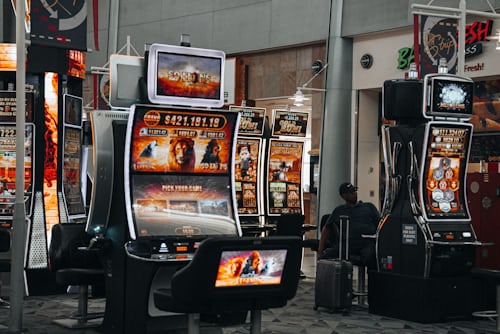
The ambiance of a casino is meticulously designed to evoke a sense of excitement and comfort, which plays a crucial role in keeping players engaged. Bright lights, vibrant colors, and captivating sounds create an atmosphere of positive reinforcement. For example, the ringing of slot machines and the cheers from winning players generate an auditory backdrop that encourages others to join in. Additionally, the option for ontario casino fast withdrawal adds to the appeal, as this sensory overload serves as a psychological nudge, enticing individuals to remain in the environment longer than they initially planned.
Additionally, the layout of casinos is often labyrinthine, making it easy for players to lose track of time and distance. The absence of windows or clocks contributes to a disorienting experience, promoting longer play sessions. By strategically placing popular games and amenities like bars and restaurants, casinos ensure that players are continuously surrounded by stimulating elements that keep their adrenaline pumping. This clever manipulation of surroundings taps into our innate desire for novelty and excitement, ultimately extending playtime.
Moreover, the design of game machines plays a significant role in enhancing psychological engagement. For instance, many slot machines feature themes, storylines, and characters that resonate with players emotionally, creating a connection that encourages ongoing participation. These immersive experiences increase the likelihood of players sticking around, as they feel part of a narrative that rewards them not only financially but also on a psychological level. Consequently, the overall environment of a casino is engineered to maximize engagement through sensory stimulation and emotional connection.
The Role of Rewards and Reinforcement
Casinos utilize a carefully crafted reward system that influences player behavior through both variable and fixed reinforcement schedules. Variable reinforcement, where rewards are given unpredictably, creates a sense of anticipation and excitement. This unpredictability can lead to addictive behavior as players chase the elusive big win. For instance, when a player secures a jackpot after a series of losses, it reinforces the notion that perseverance may lead to rewards, further enticing them to continue playing.
Fixed reinforcement, on the other hand, provides predictable payouts after a set number of plays, which can also encourage prolonged gaming. This reinforcement strategy taps into the psychological principle of operant conditioning, where behaviors are modified through rewards or punishments. By offering bonuses, free spins, or loyalty points, casinos create a feeling of accomplishment, prompting players to return. The emotional highs of winning, even if they are small, become powerful motivators that keep players engaged and coming back for more.
Furthermore, the social aspect of rewards cannot be overlooked. When players witness others winning, it triggers a magnetic effect, drawing them in and creating a communal atmosphere of excitement. This phenomenon, known as social proof, implies that if others can win, so can they. It amplifies the desire to participate as players feel encouraged to join the action, further intertwining their experience with the psychology of reward and reinforcement.
The Illusion of Control
One of the most fascinating psychological tactics used by casinos is the illusion of control, where players are led to believe they have an influence over the outcomes of random games. This can be seen particularly in games like blackjack or poker, where players feel their decisions impact the result. The belief that skill and strategy play a role can lead to extended play, as players invest time and effort into honing their abilities. This illusion creates a deeper emotional investment and keeps players engaged longer, as they are led to believe that with practice, they can improve their odds.
This psychological manipulation is also prevalent in the design of many games, which often include features that allow players to make choices, such as selecting bet amounts or deciding to hit or stand. These choices reinforce the sense of agency and involvement, making players more likely to continue playing. The idea that making the right decisions can lead to better results fuels a competitive spirit that keeps participants engaged in their quest for victory.
Addiction to gaming can also stem from sensations of control when players succeed due to their decisions. This reinforcement can create a feedback loop where players associate their choices with wins, inadvertently leading them to play longer in hopes of repeating their success. The psychological connection between perceived control and gaming behavior is integral for casinos, as it keeps players returning, believing that success is within their grasp.
The Use of Personalization
Casinos have increasingly embraced personalization to enhance player experiences and extend engagement. By utilizing data analytics, they can tailor promotions, games, and rewards based on individual player preferences and behaviors. This customization fosters a feeling of exclusivity and belonging, making players more likely to return. For instance, if a player frequently enjoys a particular slot machine, the casino may offer free spins or bonuses for that specific game, reinforcing their loyalty.
Moreover, loyalty programs are designed to make players feel valued and appreciated. By awarding points for gameplay that can be redeemed for various rewards, casinos create an ongoing incentive for players to return. The personalization of these programs can extend to the way players are approached, with personalized communications enhancing the connection between the player and the casino. These tactics stimulate emotional engagement, encouraging players to think fondly of their experiences and return for more.
This emphasis on personalization resonates deeply with players, leading to a more immersive and enjoyable gaming experience. When individuals feel recognized and catered to, they are more likely to remain engaged for longer periods, ultimately benefiting the casino. By creating tailored experiences through personalized offers and treatments, casinos effectively leverage psychology to optimize player retention and satisfaction.
Understanding the Casino Experience Through Online Platforms
As the world shifts towards digital experiences, understanding how casinos use psychological concepts extends to online platforms as well. Virtual casinos utilize similar tactics as traditional establishments, employing visually stunning graphics and engaging sound effects to create an immersive online environment. This transition to digital gaming has not diminished casinos’ ability to manipulate psychological triggers, as they harness technology to replicate the thrill of being in a physical casino.
Online platforms often utilize gamification techniques, incorporating elements such as levels, achievements, and leaderboards to maintain player engagement. By offering challenges and milestones, these casinos foster a sense of accomplishment that encourages continued play. The social interaction available through online gaming platforms adds another layer of psychological engagement, with players often competing against friends or anonymous participants, enhancing their experience and motivation to keep playing.
Moreover, online casinos can analyze player behavior in real-time, allowing for dynamic adjustments to the gaming experience. Tailoring recommendations, promotions, and bonuses based on past play habits ensures that every player feels a personalized connection, similar to what they would experience in a physical setting. As this digital landscape continues to evolve, it becomes crucial to understand how psychology remains a powerful tool for online casinos to keep players engaged and invested in their gaming experiences.