
Debunking popular myths in gambling What you need to know
Understanding the House Edge
One of the most pervasive myths in gambling is the misconception that players can consistently overcome the house edge through strategies or tricks. In reality, the house edge is a mathematical advantage that casinos build into their games. This means that, over time, the casino is designed to win, ensuring that they remain profitable. No matter how skilled a player is, the odds will always favor the house in the long run, and understanding this can help gamblers approach their gaming experience with realistic expectations. Furthermore, if you are looking for insight into the gaming industry, you might find the best football betting sites UK quite informative.
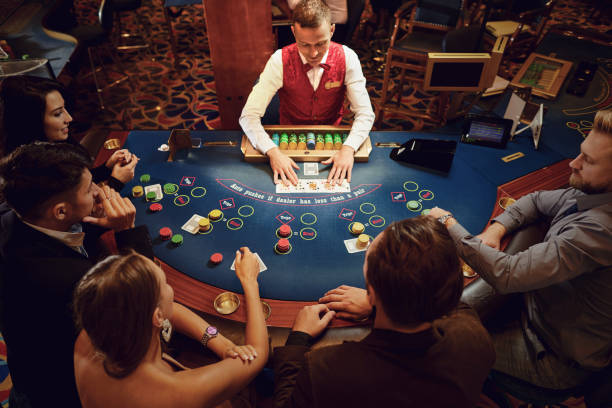
Many players believe that certain strategies, like betting systems, can change the outcome of a game. For instance, the Martingale strategy, which suggests doubling bets after losses to recoup previous losses, can lead to significant financial loss if a player encounters a losing streak. Casinos are aware of such strategies and have rules in place, like table limits, to curb extensive betting. This reinforces the importance of understanding that gambling should be viewed as entertainment rather than a method of income generation.
In addition to the house edge, the variance in games also plays a crucial role in gambling outcomes. High-variance games may yield larger payouts but come with a greater risk of loss, while low-variance games provide more frequent wins but smaller payouts. Therefore, players need to assess their risk tolerance and understand that luck plays a significant part in gambling, further cementing the idea that the house edge is a reality that can’t be circumvented.
Slot Machines and Randomness
Another common myth is the belief that slot machines can be “hot” or “cold,” implying that players can predict when a machine is about to pay out. However, modern slot machines utilize random number generators (RNGs) to determine outcomes, ensuring that each spin is independent of the last. This technology makes it impossible for players to predict or influence the results, debunking the idea of streaks based on prior outcomes.
Players often fall into the trap of believing that frequent plays without wins signal an imminent jackpot. However, it’s crucial to understand that the RNG ensures that previous spins do not affect future ones. Each play is a standalone event, which means the chances of winning remain constant regardless of prior results. This misconception leads many to gamble more heavily after losing, often resulting in greater financial losses.
Additionally, the myth that playing longer increases the chances of hitting a jackpot overlooks the reality that slot machines are programmed with specific payout percentages. These percentages do not change based on the amount of time played but are determined by the game’s design. Understanding this can help players make more informed decisions regarding their gambling habits and budgets.
The Role of Skill in Table Games
In games like poker, blackjack, and baccarat, players often believe that skill can significantly tilt the odds in their favor. While skill certainly plays a role in these games, it’s a myth to think that a player can consistently win simply because they have a better understanding of strategies. For example, in poker, while knowing when to bluff is crucial, luck still plays a significant role in which cards are dealt.
Additionally, the myth that card counting can guarantee a win in blackjack overlooks several factors. Casinos are aware of this tactic and often have measures in place to counteract it, such as using multiple decks and shuffling them frequently. While skilled players may reduce the house edge, they cannot eliminate it entirely, and the unpredictability of each deal keeps the game exciting yet challenging.
Moreover, the psychological aspects of table games can complicate the notion of skill. Many players fall victim to emotional decisions during play, leading to irrational betting and ultimately impacting their performance. Recognizing that emotional control is as crucial as skill in table games can help players approach gambling with a more strategic mindset.
Gambling Myths and Superstitions
Superstitions surrounding gambling are widespread, with many players believing that certain rituals or charms can influence outcomes. Common practices include wearing lucky clothing or avoiding specific numbers. However, these beliefs are rooted in psychological factors rather than actual changes in the outcome of games, as the outcomes are based entirely on chance.
The human mind often seeks patterns, and superstitions can serve as a coping mechanism for the uncertainty inherent in gambling. Believing that a particular action might influence luck provides comfort, despite the reality that each outcome is determined by random processes. Educating gamblers about the randomness of games can help dispel these myths and encourage more rational decision-making.
Additionally, it’s essential to recognize that casinos often capitalize on these superstitions. The atmosphere of a casino, with its flashing lights and celebratory ambiance, can amplify these beliefs. However, understanding that luck is just that—luck—can free players from the burden of trying to influence their outcomes through superstitious practices.

Understanding Responsible Gambling
One critical aspect often overlooked in discussions about gambling myths is the importance of responsible gambling. Many players may believe they can control their gambling habits or win back losses, but this mindset can lead to problematic behavior. Recognizing the signs of gambling addiction and understanding the concept of responsible gambling is crucial for anyone involved in this activity.
Responsible gambling means setting limits on time and money spent on gambling activities. Players must understand their personal limits and know when to walk away. Casinos and gaming organizations increasingly promote responsible gambling initiatives, providing resources for players who may be struggling with their habits. This shift emphasizes the importance of creating a safe and enjoyable gambling environment.
Moreover, education plays a vital role in fostering responsible gambling. By dispelling myths and providing accurate information about the odds and outcomes, players can make informed choices. It is essential to highlight the value of viewing gambling as entertainment rather than a reliable source of income. This mindset can help maintain a healthy relationship with gambling and reduce the risk of addiction.